

The story behind The Safari Collective
It's been the journey of a lifetime...
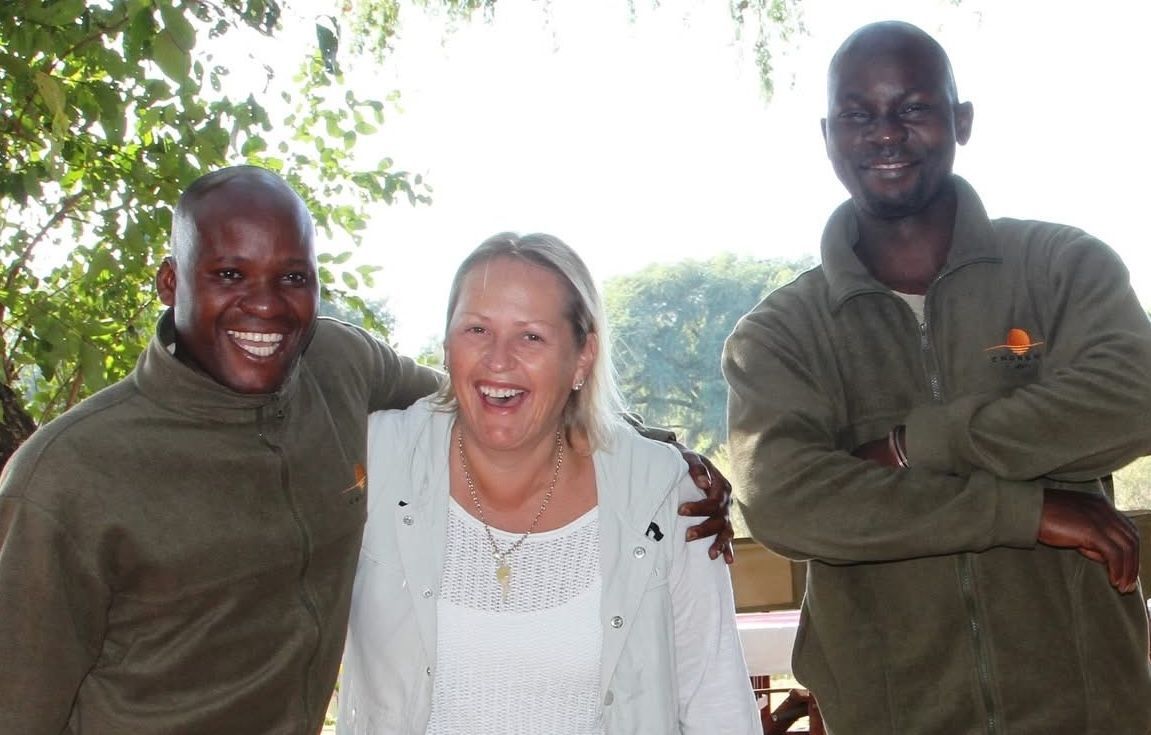
She arrived in South Africa as a small child in 1969, wide-eyed and newly transplanted from England into a world of big skies and red dust roads. A year later, her family moved to Nairobi — another year, another Africa, another set of impressions burned into a child's memory with the particular permanence of first things. When her parents separated and her mother brought her back to England, she carried Africa home inside her like a compass that would spend the next few years pointing south.
It pointed her back in 1969 when, aged seven, she emigrated to South Africa — another year on the continent, another set of impressions layered over the first, Africa deepening its claim on a child who had no idea yet how permanent that claim would prove to be.
Then England again. School. The ordinary architecture of a British childhood, lived at a considerable distance from the place she loved most and understood, even then, as home in a way that England never quite managed to be.
But Africa never fully receded. When her parents divorced and both remarried, there was — unusually, and by the grace of two people who chose not to make their separation a war — no animosity, no fracture, no cutting of threads. Her father stayed in Africa, moving between South Africa and Zimbabwe, and Sharon moved with him in the ways that children of amicable separations can: holidays, extended stays, the long journeys back to red dust and big skies that punctuated her English years like breaths of air. Africa was always there. Always close enough to remind her of what she was missing.
Africa would wait. It was good at that.
Then, aged 17, she met a rock star.
It was the kind of love that shapes a person — first love, fierce and formative. He went on tour. She wrote him letters. Long, detailed, vivid letters full of everything she was thinking and feeling and noticing about the world. He told her she should write professionally. She listened.
Her first job in journalism came at 19 writing rock reviews for heavy metal magazines. From there she moved into music technology publications, learning the craft of writing and production simultaneously, understanding from the very beginning that words and design were not separate disciplines but two halves of the same conversation. By her mid-twenties she had moved into daily newspapers in Cambridge, with the odd freelance shift on Fleet Street, one of the great schools of journalistic discipline, where you learned quickly or you didn't last.
In February 1990, Nelson Mandela walked out of Victor Verster Prison and Sharon watched from England, feeling the pull of the continent she had never stopped loving. In 1991, just shy of her twenty-ninth birthday, she came home. Not to England. To South Africa, the place that had first received her as a child and that would now, finally, keep her.
She joined The Pretoria News as a senior sub-editor, spending almost eleven years in daily journalism, refining her layout and design skills in the era when newspapers were migrating to desktop publishing, working on the original iMacs and G3s, helping to design the first South African newspaper to make that transition. She was, as she has been at every technological turning point in her career, at the front of the room when the future arrived.
When she went freelance, she brought everything with her. She became supplements editor and travel editor at the Mail & Guardian, where she launched the Escape travel section - and where she began her journey as a bona fide travel writer, writing about sustainable tourism, safari and conservation, subjects that would define much of the work to come.
She started writing and editing the Fair Trade Tourism annual supplement from its very first edition in 2001. She launched a golf tour operation called Tee-Off Travel, which introduced her to the business side of tourism, drew her into SATSA as a stakeholder, and eventually saw her elected Chair of the SATSA Gauteng Chapter and representative on the EXCO. The golf operation didn't survive (the tourism business is unforgiving) but what it gave her was invaluable: an understanding of how the industry actually works from the inside, not just the press gallery.
In 2006, frustrated by what she saw as a poverty of genuine storytelling in natural history media, she founded Painted Earth Productions, a media production company built on the conviction that Africa's wildlife and wild places deserved better than the formulaic documentaries that dominated the genre. She partnered with an established cameraman and director, and they moved quickly, working with National Geographic and Animal Planet. When Animal Planet was absorbed into Discovery Europe and funding for their first documentary evaporated, she and her partner finished it with their own money. It sold globally. It still does.
Filmmaking, she discovered, was a long game financially. She kept writing. She kept consulting. She kept building - the kind of slow, unglamorous accumulation of expertise and relationships and hard-won knowledge that doesn't look like much from the outside but becomes, in time, irreplaceable. She edited luxury magazines, even spent two years as a rugby writer for legendary flyhalf Naas Botha's digital magazine, and gathered more skills than could be counted.
In 2015 she was asked to become Marketing Manager for Fair Trade Tourism, a role that felt less like a new direction than a homecoming. She had been writing about responsible tourism for 15 years. Now she was at the centre of it, shaping how one of the continent's most important sustainability organisations told its story to the world. She stayed for two years, and then looked at her options. Freelancing, by then, wasn't paying the bills the way it once had. The journalism industry had changed irrevocably. The skills she had spent decades building were needed somewhere else.
The Safari Collective was the answer.
Not a pivot. An evolution. Everything she had ever learned - about writing and design, about Africa and its wildlife, about sustainable tourism and community development, about the business of safari and the craft of storytelling, about technology and how to use it without being used by it - converged into a single, coherent purpose: helping the safari brands she loved to tell their stories as well as they deserved to be told.
She is, at her core, a wordsmith. Not someone who writes — someone who is a writer, in the way that some people are musicians or painters: constitutively, irreversibly, from the inside out. The letters to a rock star became rock reviews became newspaper features became travel writing became documentary scripts became brand strategy. The thread running through all of it is the same: the belief that a story told well can change the way someone sees the world.
Africa, for Sharon, has never been a subject. It has been a relationship — the longest, most sustaining, most demanding relationship of her life. She could not leave it if she tried. She has never tried.
The Safari Collective is what that relationship looks like when it goes to work.

There is, at this precise moment in history, more written about African safaris than at any point since the first Victorian adventurer put pen to paper and described a lion as "most fearsome," and almost all of it has been produced in the last 18 months by tools that have never been closer to Africa.

Every safari brand communicates, whether it means to or not. Every word on your website, every caption on your Instagram feed, every subject line in your newsletter and every response to a guest enquiry is an act of communication that tells the reader not just what you're saying but who you are.

From September 2026, how we phrase our sustainability practices becomes a legal liability for anyone selling African travel to European consumers. The media is treating the deadline as a reckoning, and the compliance industry is treating it as a golden ticket, but both are missing the point...
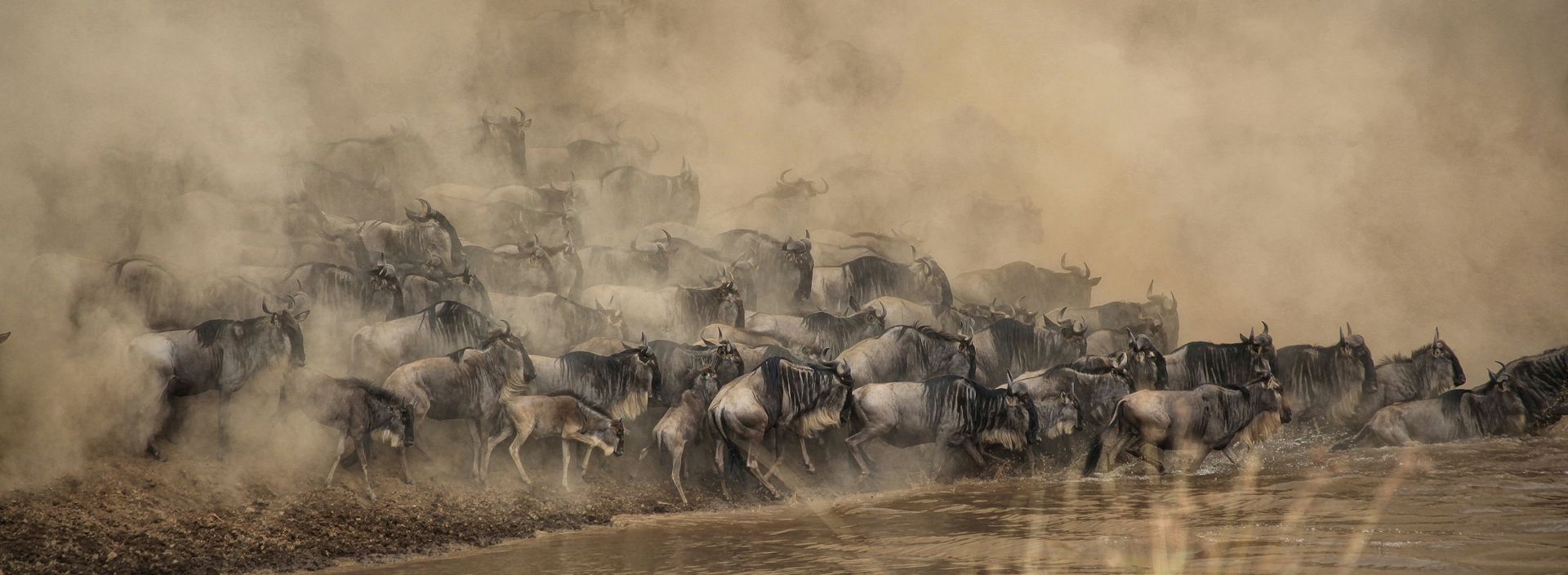
We get asked fairly regularly why we create so many landscape format videos for safari clients rather than defaulting to the upright portrait format that dominates social media Reels and TikTok. It's a fair question. And the answer is more interesting than you might expect...

Something has gone wrong with the way the safari industry writes, and it's costing lodges and operators more than they realise. Sharon Gilbert-Rivett makes the case for prose that actually does its job.

When Google designer and product director Luke Wroblewski coined the concept of "Mobile First" in a 2009 blog post and subsequently a 2011 book, he backed website designers and developers into a corner without so much as a "by your leave".
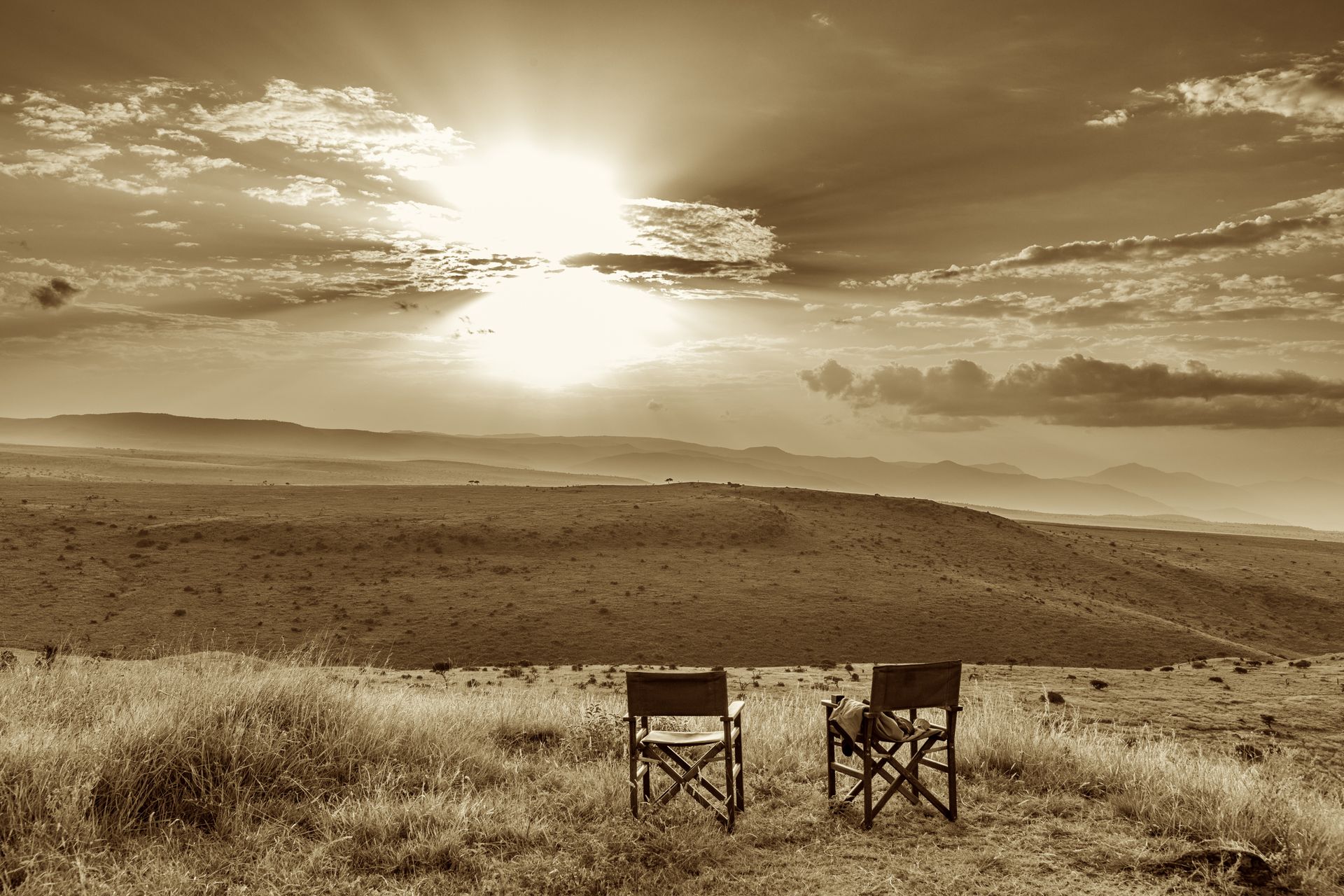
Beige. Boring. Bland. Three things that describe countless thousands of safari websites across the world, thanks to one thing: average content.
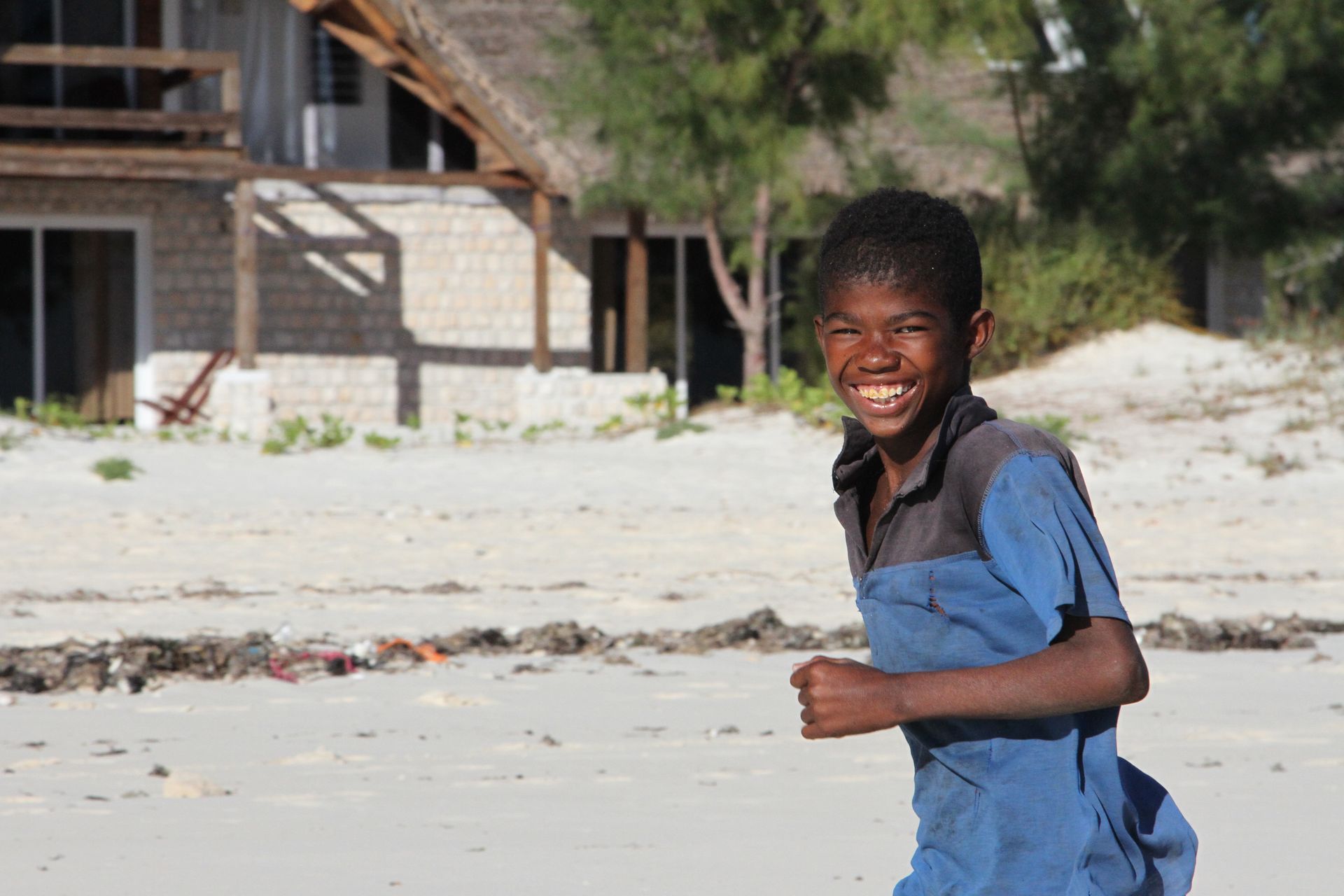
I've spent 40 years championing sustainability in the African safari industry, and I'm going to say something that might surprise you: 100% sustainability in this sector is a Holy Grail.
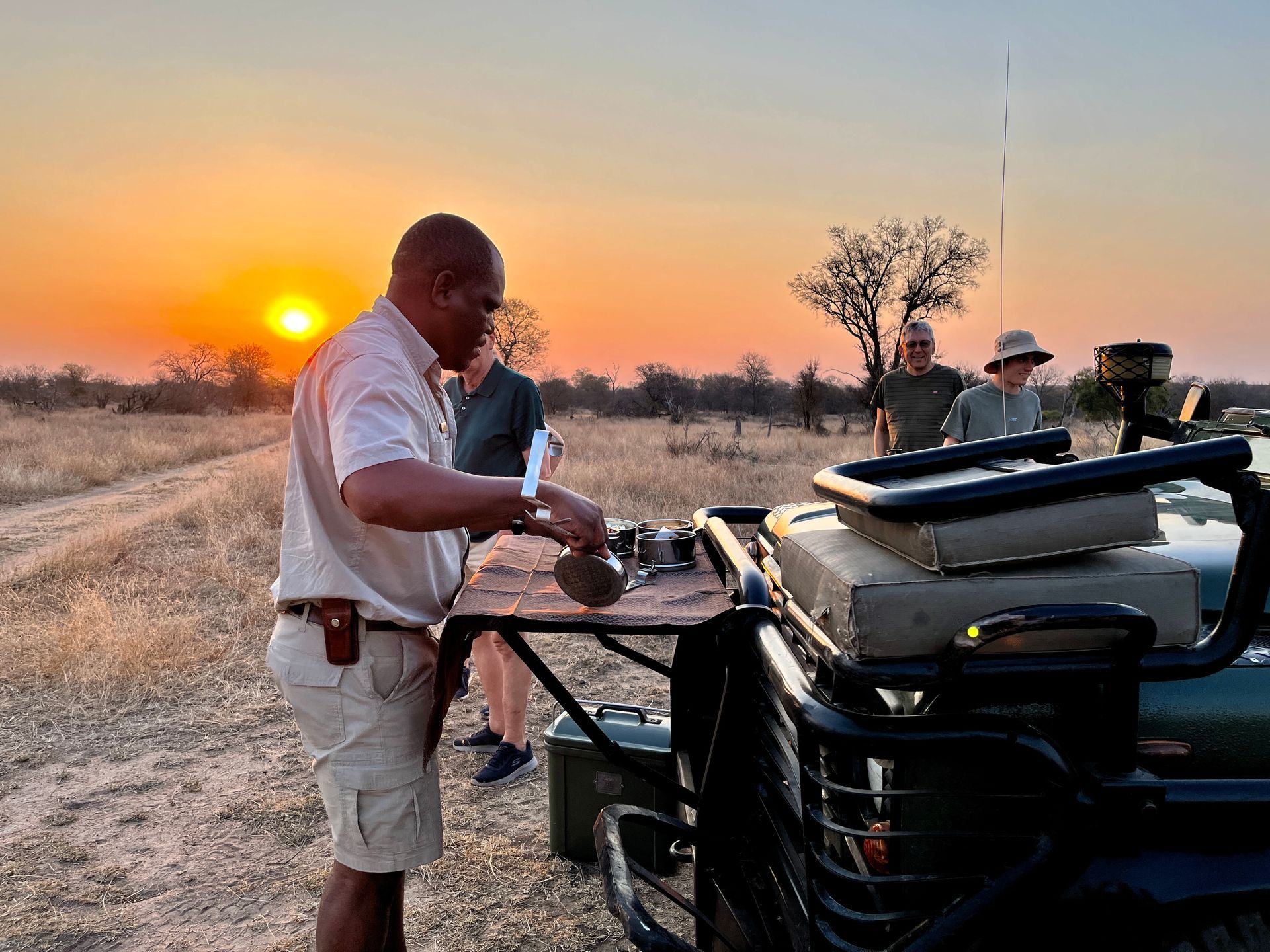
This is a blog we created for Baobab Ridge - a luxury safari lodge in South Africa's Klaserie Private Game Reserve, part of the Greater Kruger National Park. It's what we call a "legacy story" - focusing on a key member of staff and sharing their life's journey. Enjoy the read!
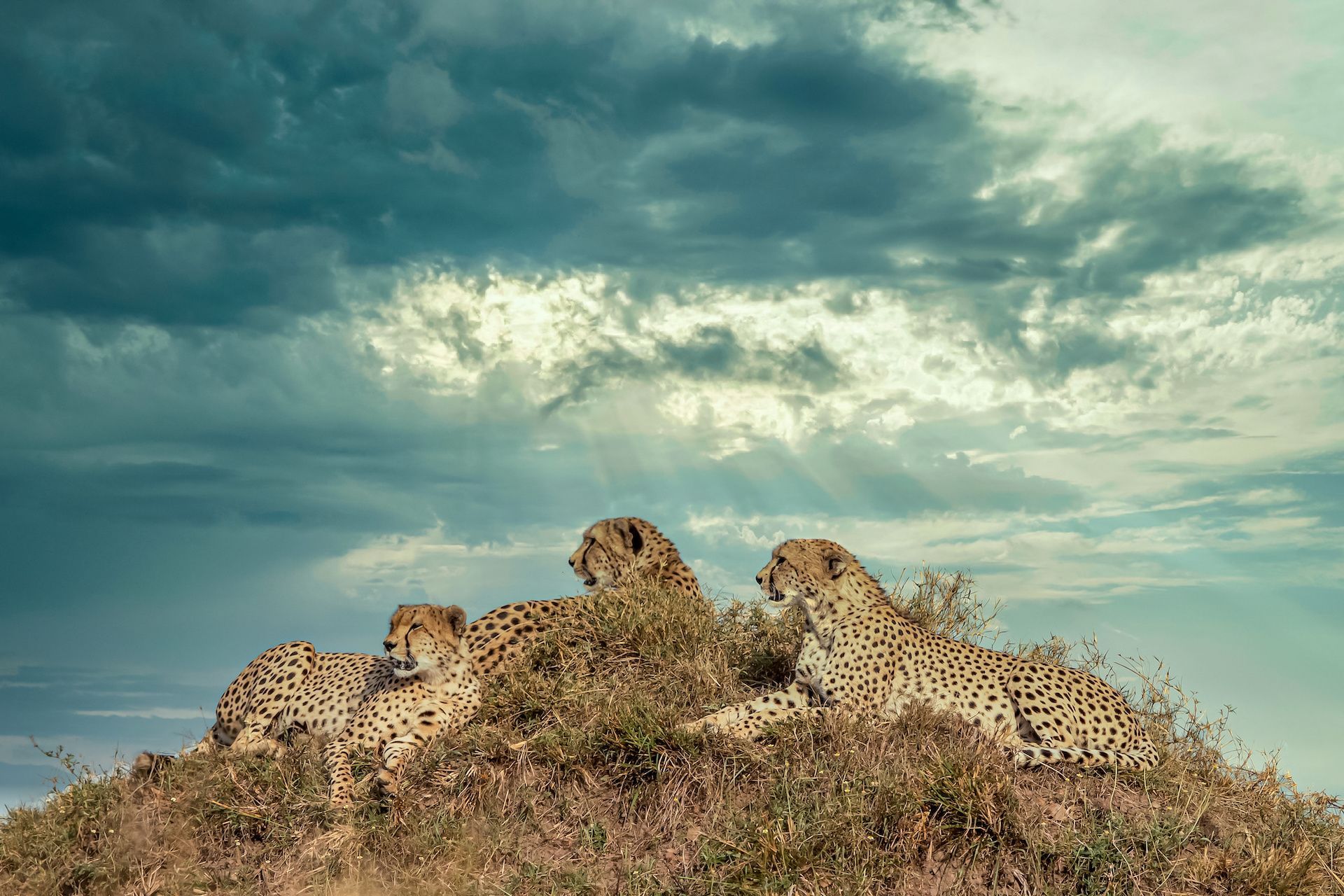
This is a blog we created for Nimali - a collection of three luxury lodges in Tanzania's Tarangire National Park and the Serengeti offering guests "Safaris for the Senses". Enjoy the read!