
Why content should always drive format
Africa is wide. Its stories should be too.
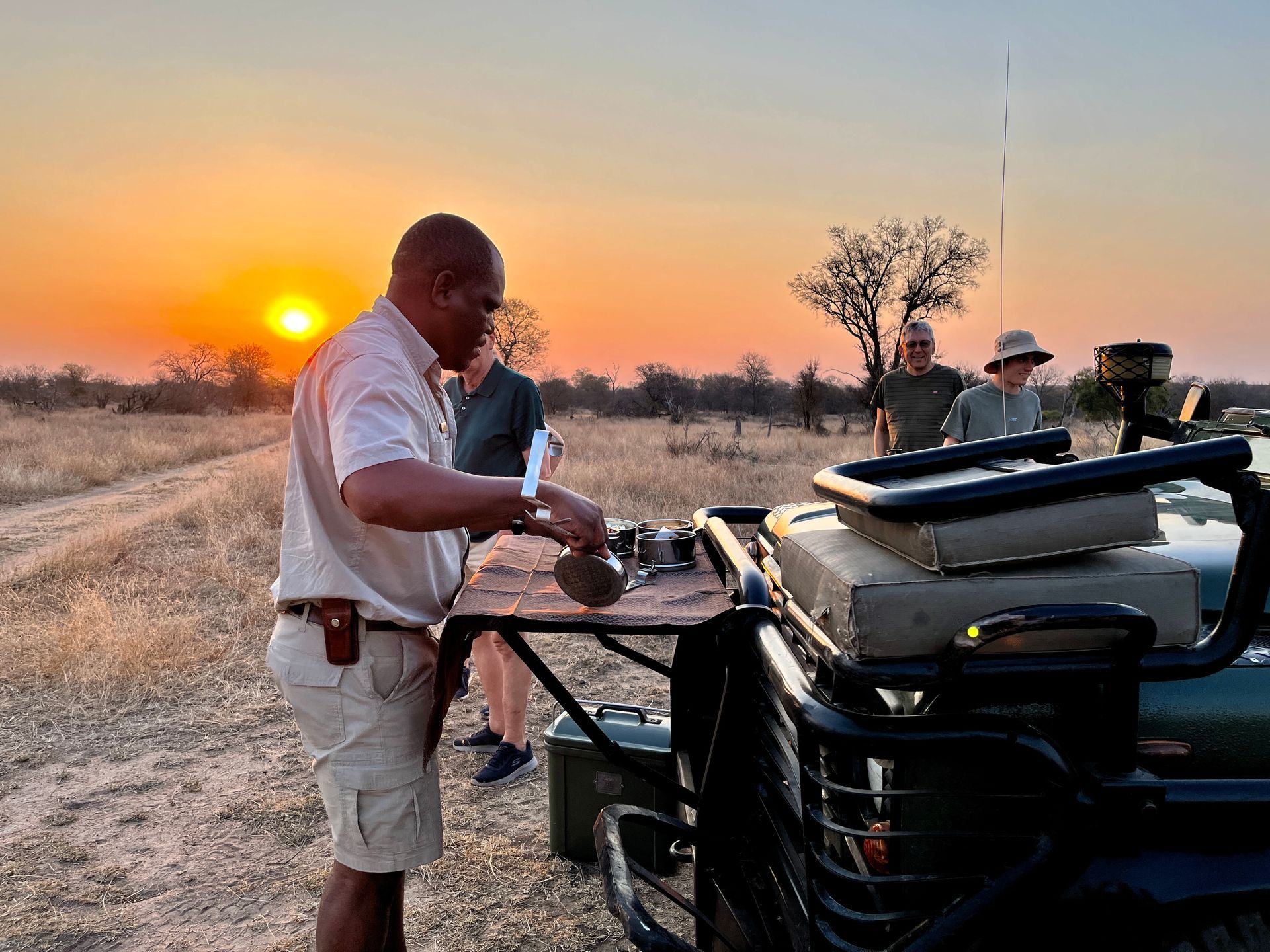
We get asked fairly regularly why we create so many landscape format videos for safari clients rather than defaulting to the upright portrait format that dominates social media Reels and TikTok. It's a fair question. And the answer is more interesting than you might expect...
By Sharon Gilbert-Rivett
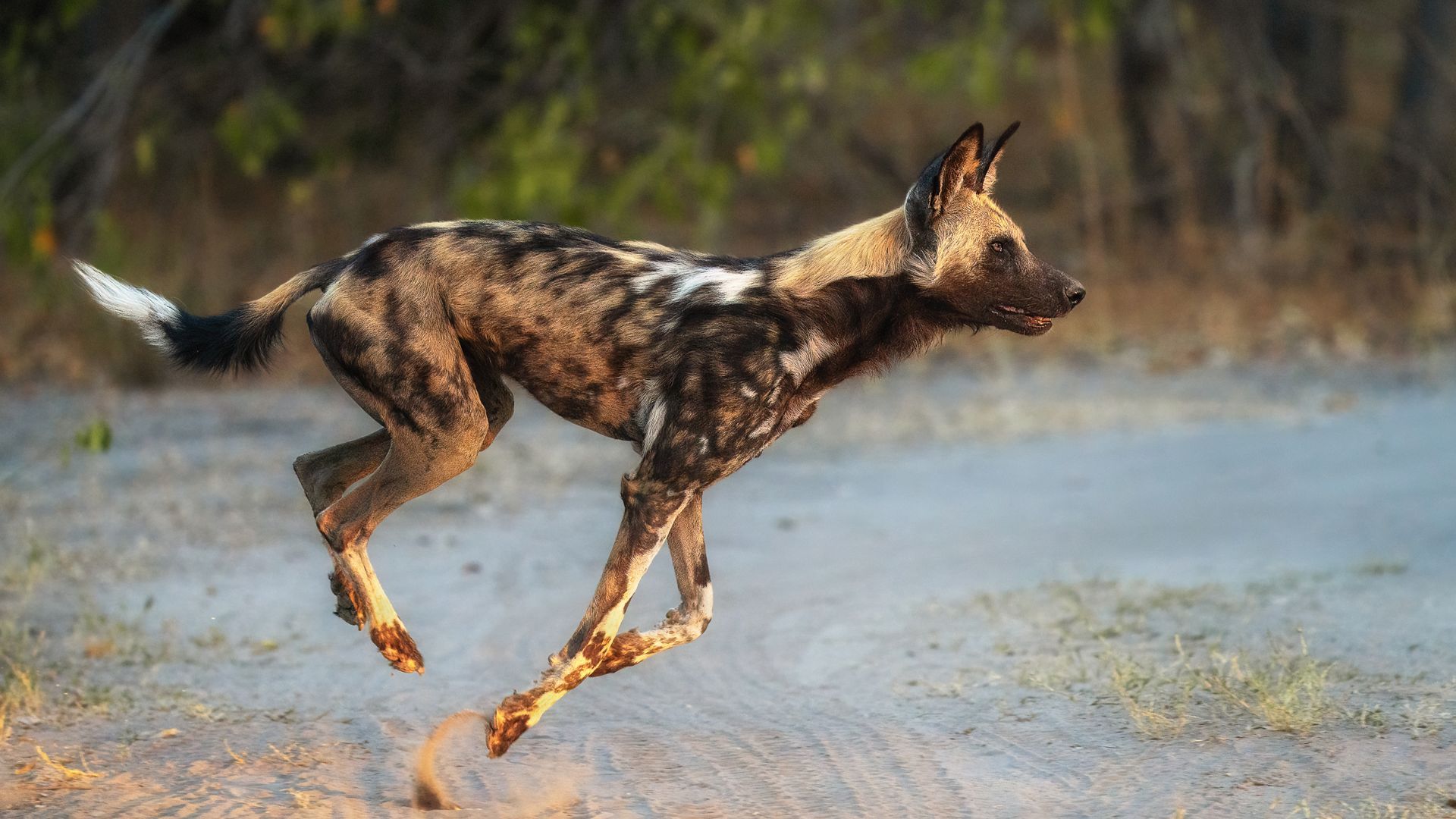
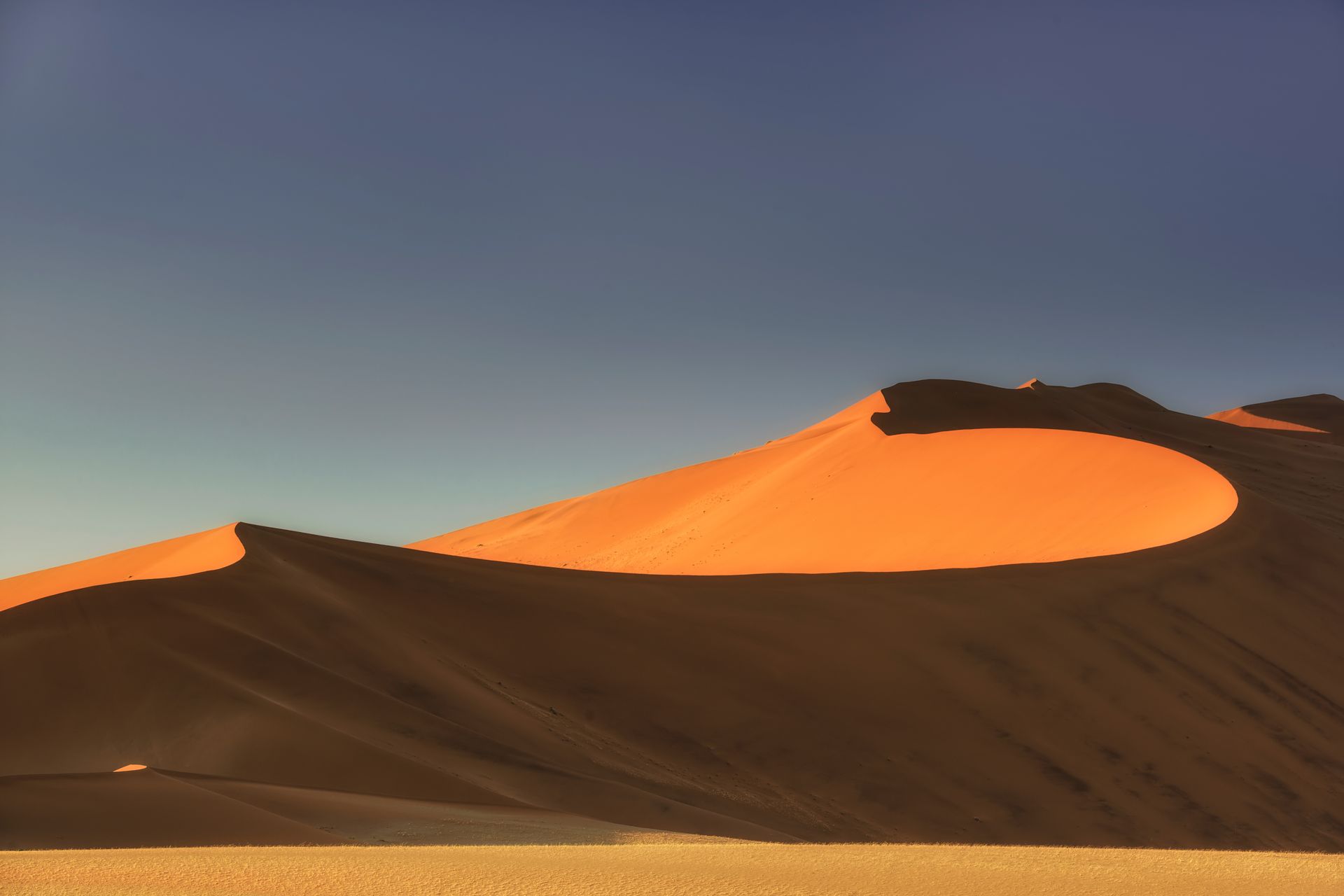
It starts with how humans actually see the world. The human visual field spans approximately 180 degrees horizontally and around 130 degrees vertically. Our eyes sit side by side in our heads for a reason because we are built for panoramic, horizontal perception and we evolved scanning horizons, tracking movement across open landscapes, reading the width of the world rather than its height.
Our peripheral vision reinforces this. We're acutely sensitive to movement and detail at the edges of our horizontal field and are considerably less attuned to what sits above and below the centre of our gaze. The human brain processes horizontal visual information more naturally, more efficiently, and with less cognitive effort than it processes vertical information.
Portrait format video asks your visual system to work against its own grain. It narrows the field, eliminates the peripheral context that gives a scene its spatial meaning, and forces the eye into a tight vertical channel that is quite literally the orientation your brain is least equipped to process comfortably. There's a reason prolonged portrait screen time contributes to eye strain and visual fatigue in ways that landscape viewing generally doesn't. We weren't designed to see the world through a keyhole.
How we've always chosen to entertain ourselves
When humans had a choice, when format was decided by storytellers and filmmakers rather than platform algorithms, we consistently chose landscape. Cinema has been widescreen since the 1950s, and the move toward ever wider aspect ratios has never reversed. Television followed and every nature documentary ever made, every frame of Attenborough, every sequence in Planet Earth, every extraordinary wildlife film that has ever moved an audience, was shot in landscape format.
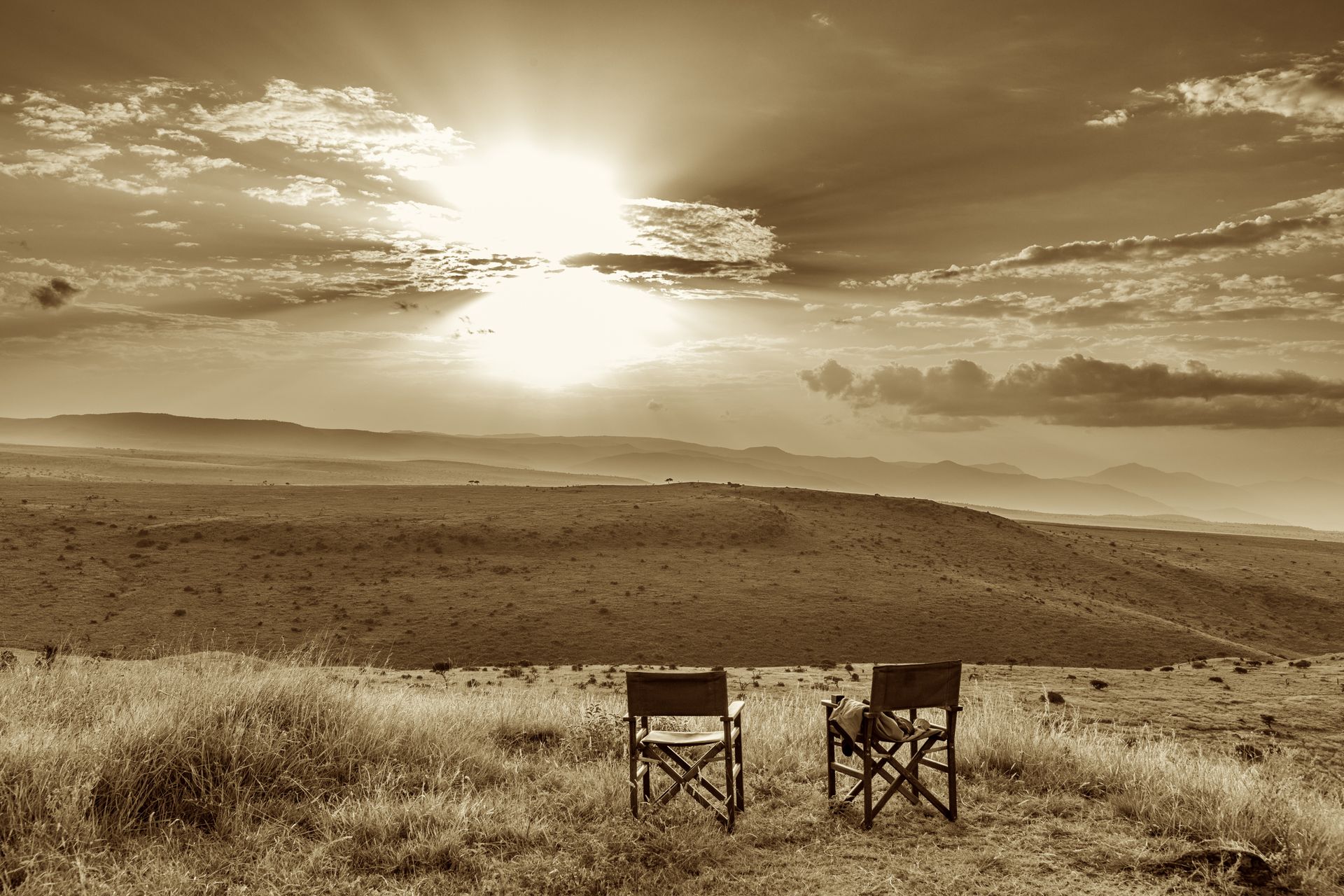
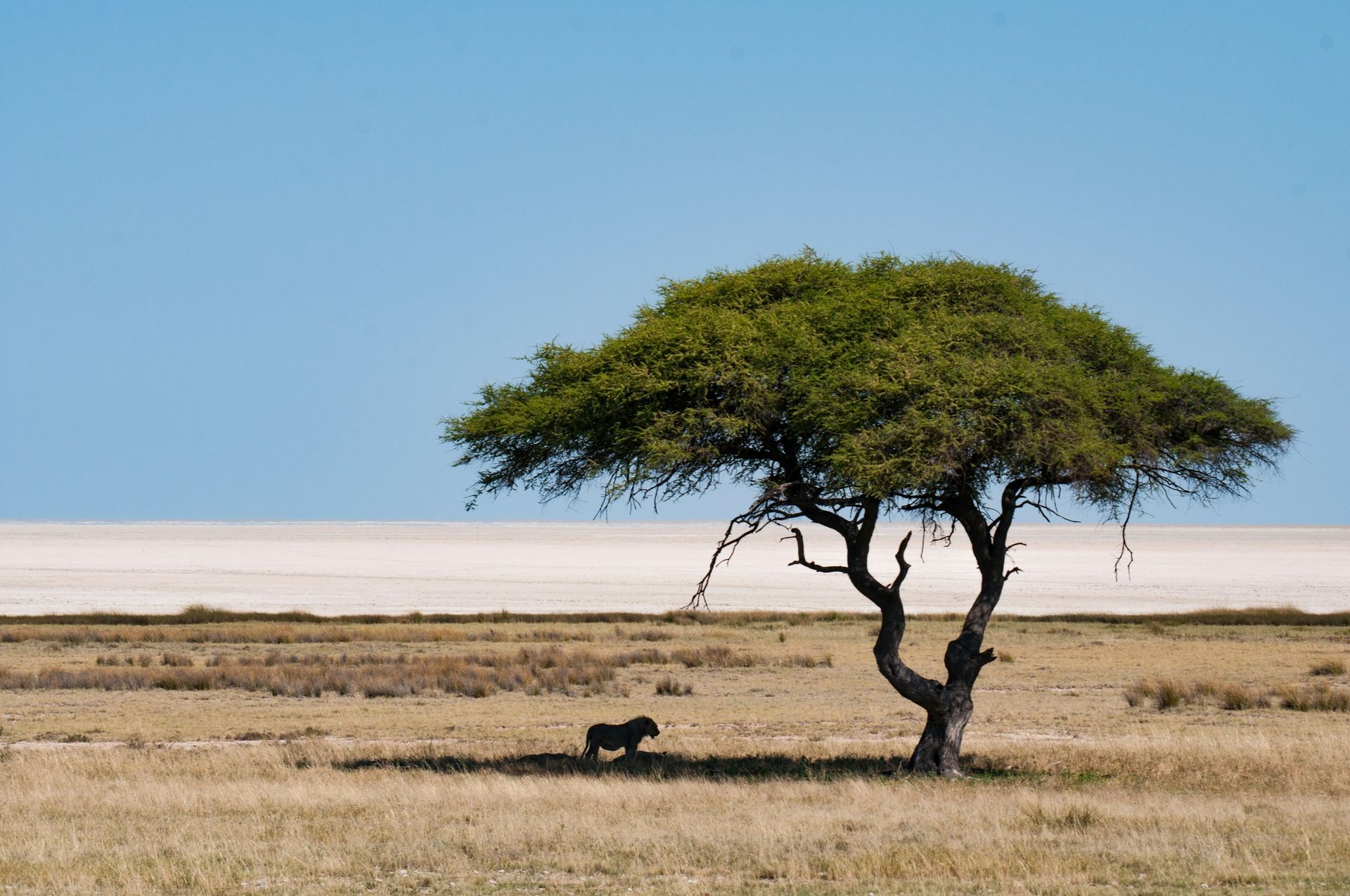
This wasn't an accident or a convention. It was a deliberate creative decision rooted in the understanding that certain stories need width to be told properly. A lion on the move across open savannah... A herd of wildebeest stretching to the horizon... The particular quality of African light at dusk spreading across a landscape that has no visible edges... These are horizontal stories and they require horizontal frames.
The smartphone changed the default but not the preference. Given a large screen and a choice, people still watch landscape. YouTube, the world's second largest search engine and the fastest growing platform in the travel content space, defaults to landscape. Smart TVs, tablets held sideways, laptop screens: all landscape. Portrait format is a convenience adaptation, not a creative evolution.
What portrait format does to safari content
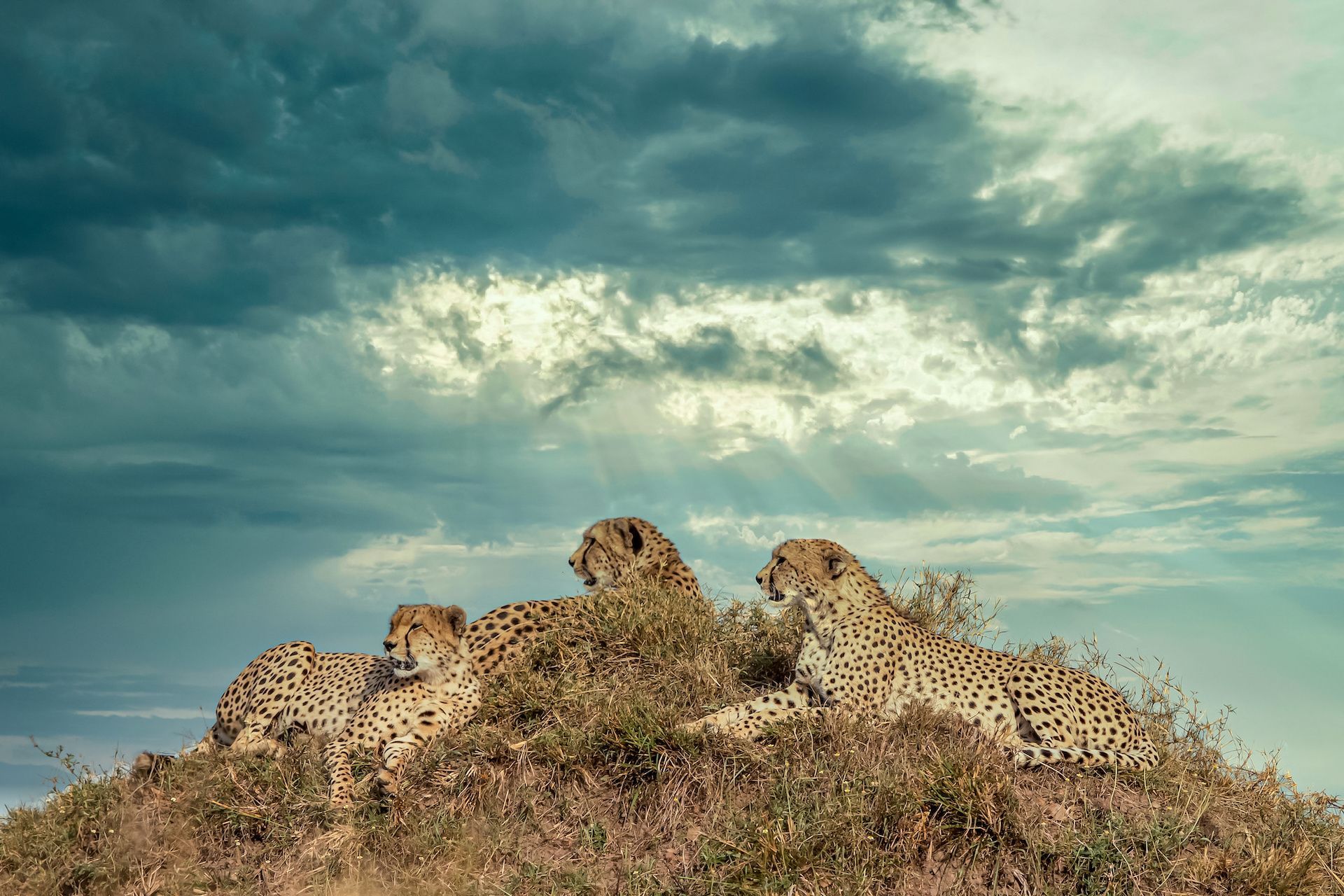
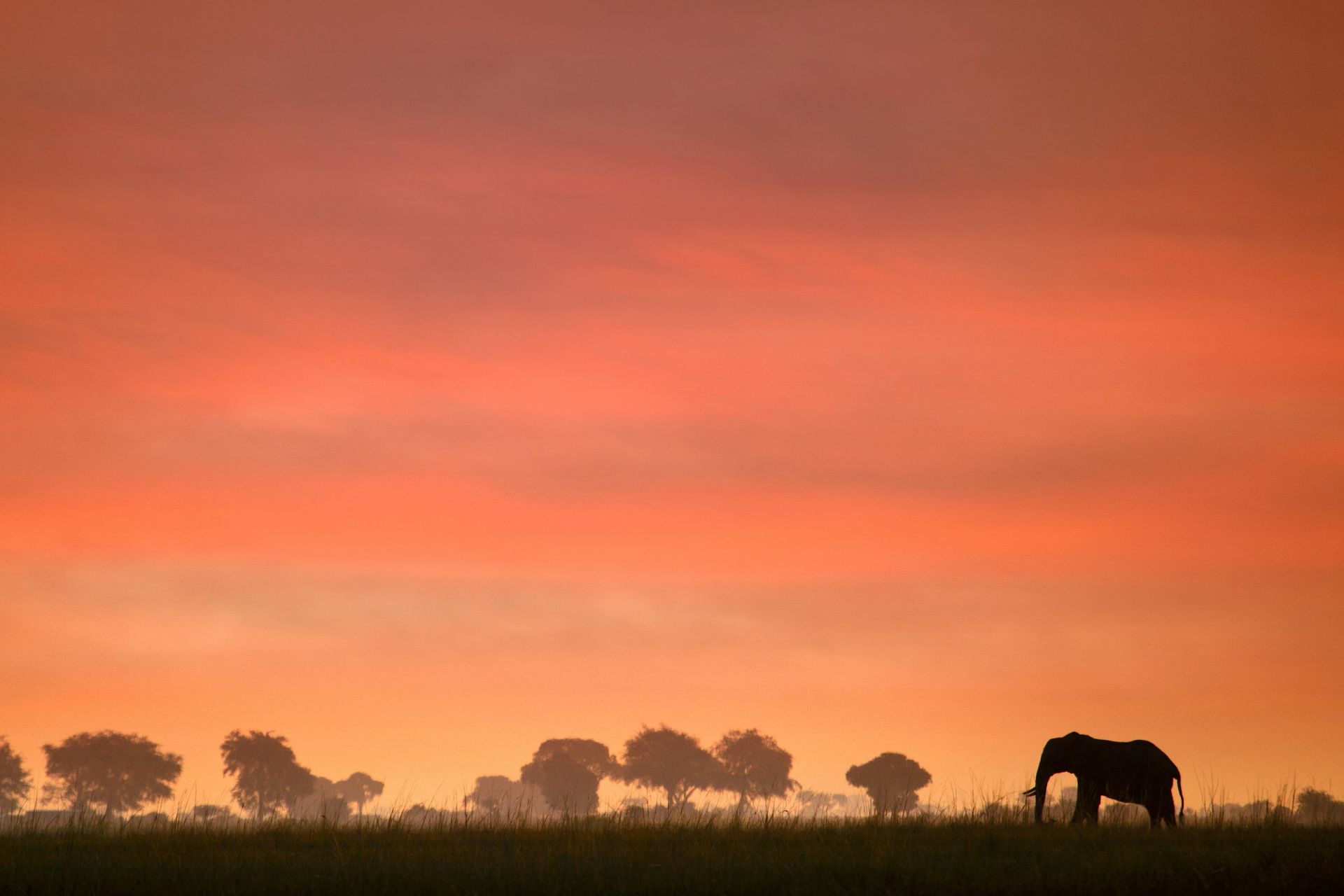
Safari videography has a specific and significant problem with portrait framing that doesn't apply in quite the same way to other content categories. The power of wildlife footage is almost always spatial and lives in the relationships between things, the scale of an elephant against the breadth of a floodplain, the distance between a hunting cheetah and its prey, the width of a river crossing with a thousand wildebeest stretching from bank to bank.
Crop that into a portrait frame and you lose the context that makes the moment meaningful. You get three elephants and a lot of sky. You get the cheetah but not the landscape that tells you how far it has to run. You get a handful of wildebeest and no sense of the crossing's scale. The story that portrait format tells is technically accurate but emotionally incomplete, a keyhole view of something that deserves a window.
The Okavango Delta is not a portrait. The Serengeti is not a portrait. The Namib Desert at dawn, the Zambezi in flood, the Masai Mara during the great migration, none of these are portraits. Forcing them into one doesn't make the content more accessible, it makes it less honest.
The platform argument and where it's heading
Instagram and TikTok push portrait format for reasons that have nothing to do with visual quality and everything to do with platform mechanics. Portrait content fills the screen on a vertically held phone, maximising the immersive scroll experience that keeps users on the platform longer. The format serves the algorithm, not the audience.
But the landscape is shifting. YouTube's primary format remains landscape, and its growth in the travel and safari space is accelerating precisely because audiences are increasingly consuming video on larger screens where portrait content looks awkward and underproduced. Connected TVs are now one of the fastest growing YouTube viewing surfaces. Portrait video on a 65-inch television is an embarrassment.
The platforms that built their identities on portrait format are also quietly expanding their landscape support as creator and audience behaviour pushes back. The algorithm will always follow the engagement, and engagement data is beginning to show what any filmmaker could have told you from the start: when the content is genuinely extraordinary, people turn their phones sideways.
Content should always drive format
This is the principle that underlies every creative decision we make at The Safari Collective. Format is not a starting point, it's a consequence. You begin with the story, with the subject, with the emotional experience you're trying to create for the person watching, then you choose the frame that serves it best.
For most safari content, that frame is landscape, not because we're being awkward or ignoring platform conventions, but because Africa is wide, its stories are wide, and a format that forces extraordinary landscapes and wildlife encounters into a narrow vertical strip is doing the content and the continent a disservice.
There are absolutely moments when portrait works well in the safari space. A close encounter with a leopard where the animal fills the frame vertically... A candid shot of a guide explaining tracks with the bush as context behind them... A guest's face at the moment of first encounter... Portrait format serves intimacy and immediacy when the subject demands it, but the default and starting point for safari video content is landscape every single time, because the content demands it, the science supports it, and the platform landscape is moving back toward the format that honest, ambitious storytelling has always preferred.
Sharon Gilbert-Rivett is founder and Head Honcho of The Safari Collective.