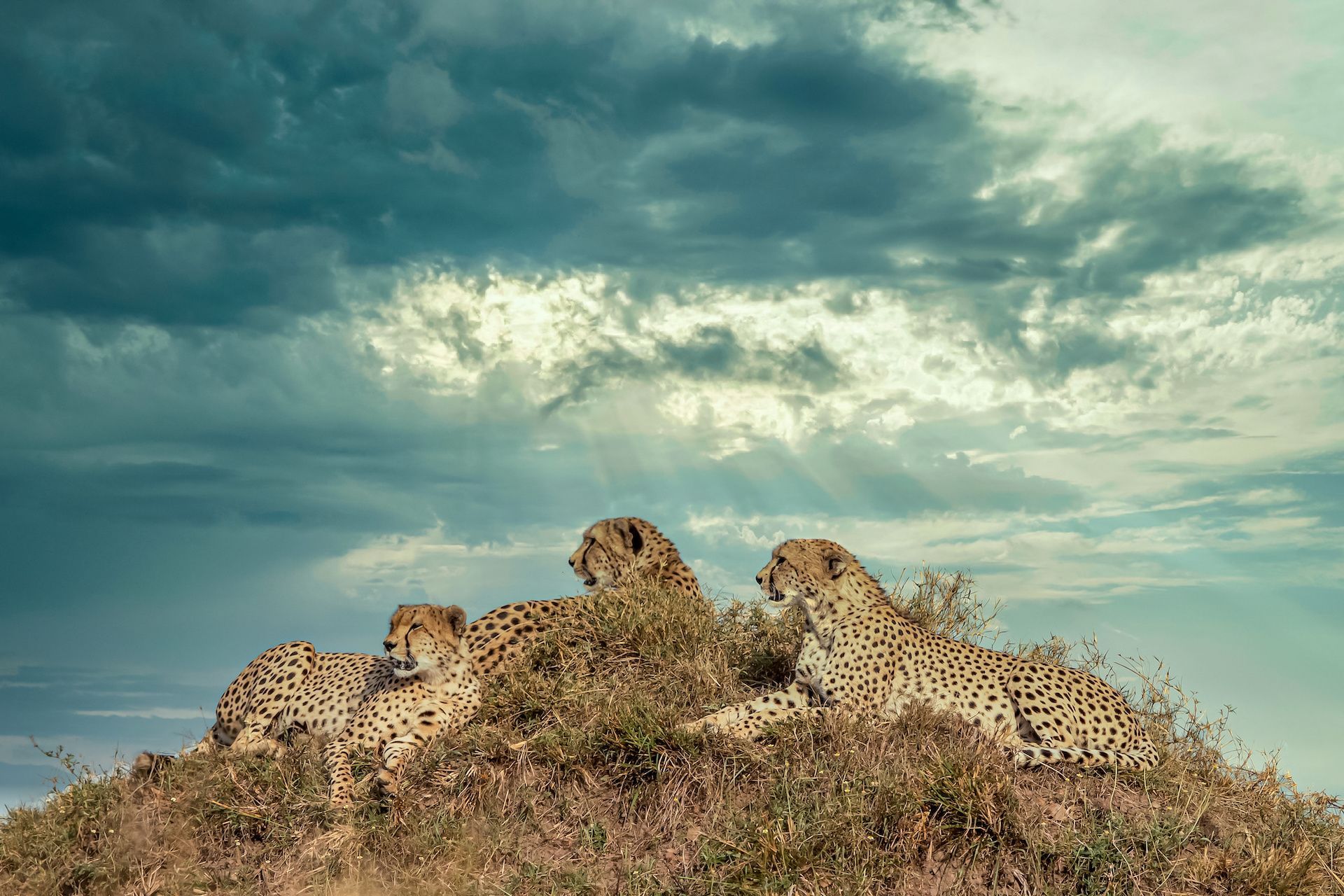

Safari is not beige
Poor content kills brands. Here's why.
By Sharon Gilbert-Rivett
Beige. Boring. Bland. Three things that describe countless thousands of safari websites across the world, thanks to one thing: average content. Churned out, often by AI these days and sometimes by people who have zero clue what a safari is or how it feels, it may meet SEO, AEO and GEO needs but does absolutely nothing for the brands it's supposed to be selling. It's flat, it's dull, and it's immediately forgettable.
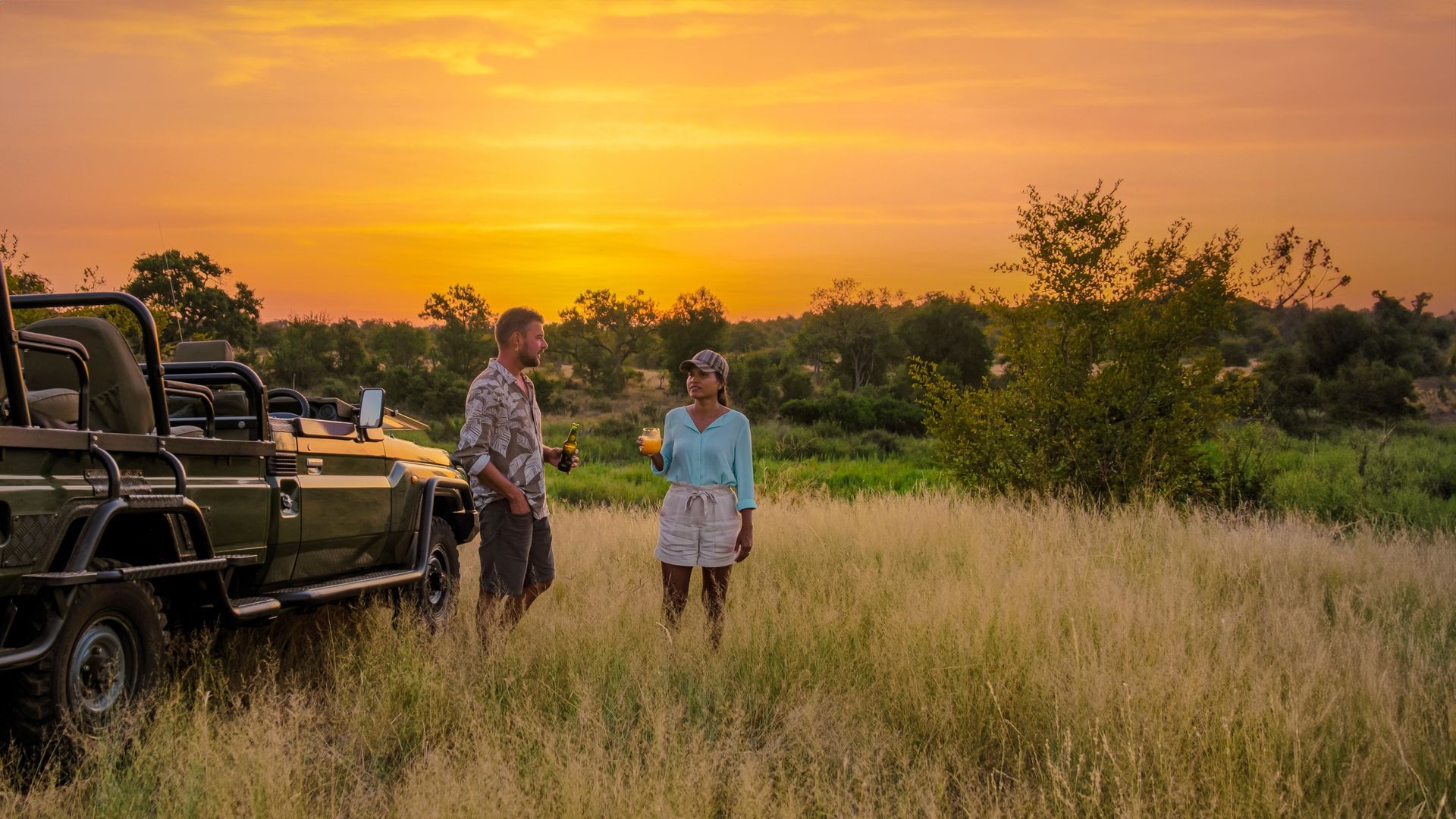
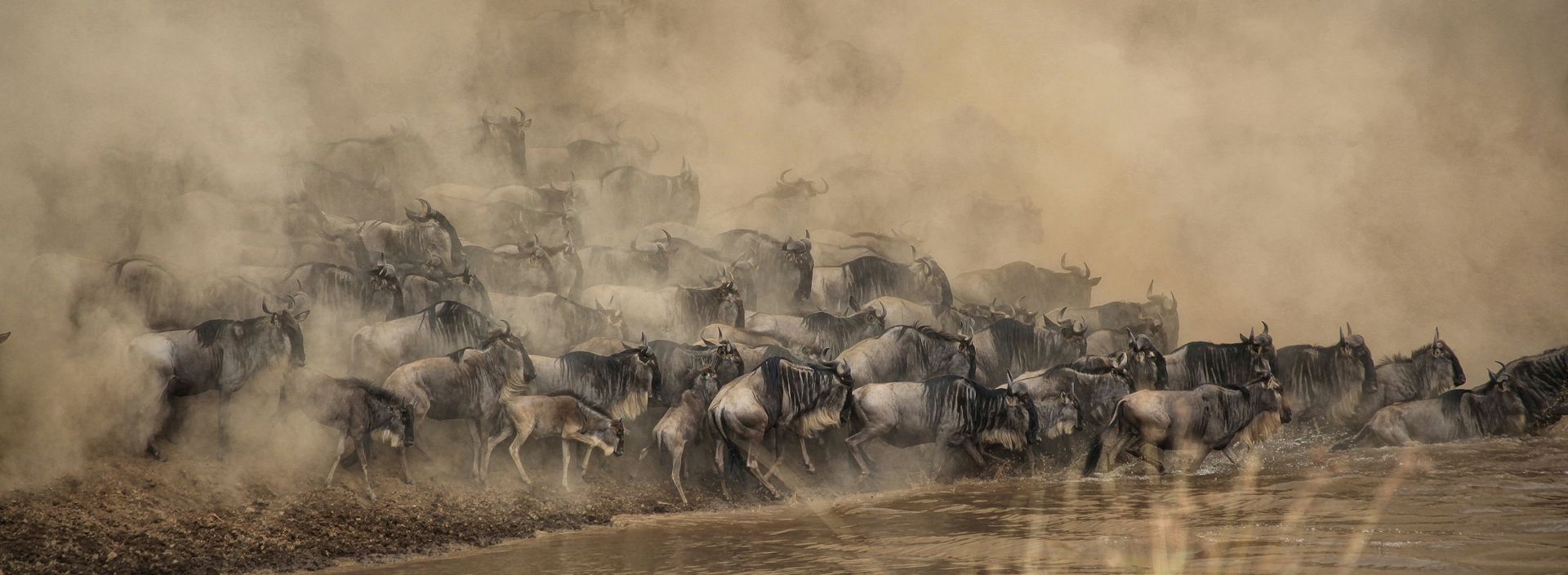
The reality is that the African wilderness is none of those things. It's filled with life-changing experiences, packed with drama, excitement and genuinely mind-blowing moments as well as the jaw-dropping, quiet, introspective and reverential ones that stick with you for the rest of your life. I don't need to explain these things to you here, but they do need bringing to life in your website content, and, indeed ANY content that appears under your brand banner.
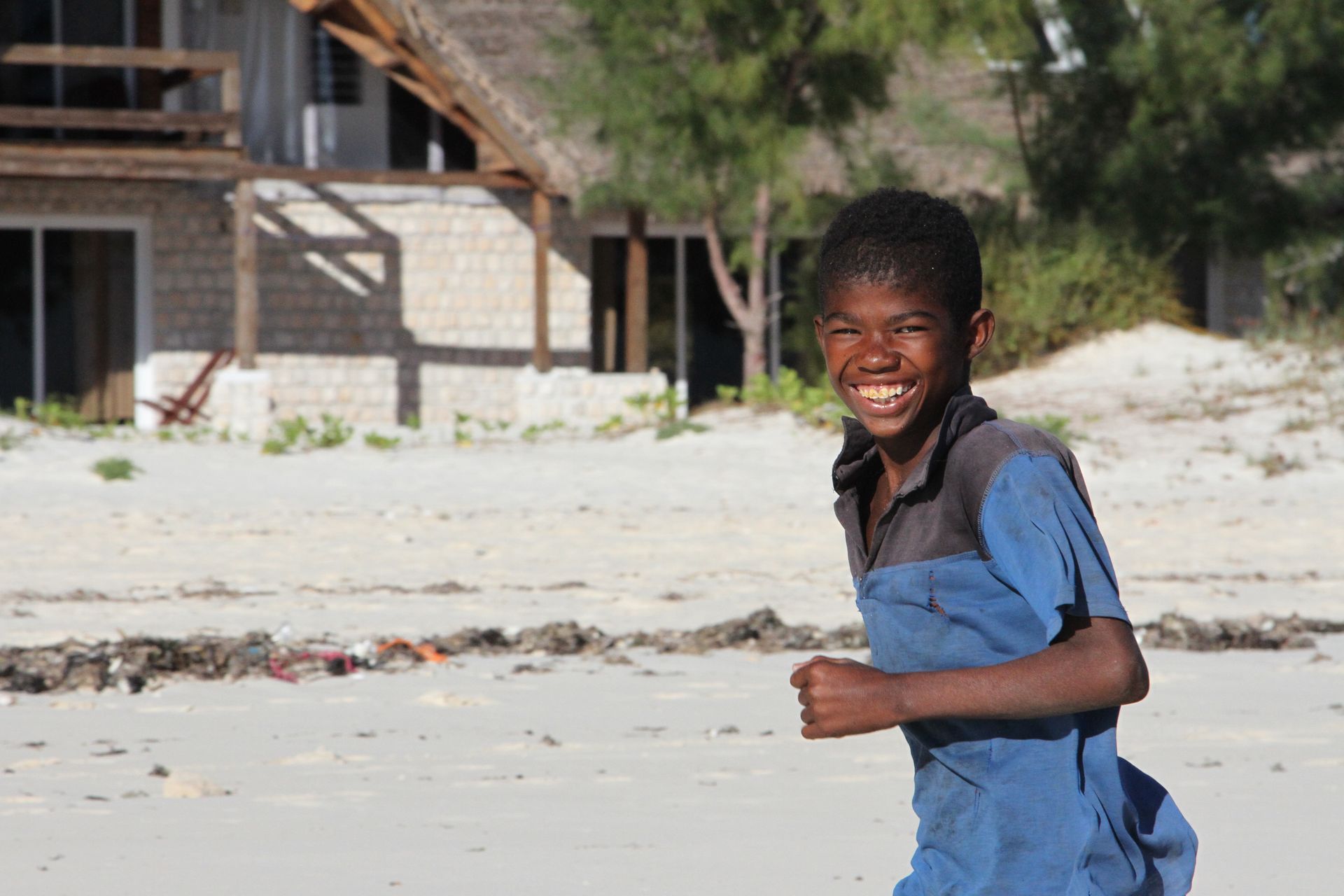
These deep, visceral moments are the ones people spend years saving for and the ones they'll describe badly to friends who weren't there, knowing the words will fall short... The moments that bring them back, again and again, to a continent that gets under the skin in ways that nowhere else quite manages.
Now open almost any safari website and try to find those moments. You won't. What you'll find instead is a carefully curated collection of interchangeable sentences about breathtaking landscapes, the Big Five, world-class service, and unforgettable experiences. Spectacular sunsets described as spectacular. Luxury defined as luxurious. Passion mentioned so many times it has lost all meaning, and authentic used so freely it has become the least authentic word in the safari lexicon.
Beige. Everywhere.
The bush is anything but
The African wilderness is the most sensorially intense environment on earth. It's specific, textured and alive with detail that no stock photograph and no generic paragraph can capture. And yet the content that's supposed to communicate all of this to the traveller who has never been there, who is trying to decide, from behind a desk in London or New York or Frankfurt whether to spend precious leave and hard-earned money on a safari, reads as though it was written by someone who has never been there. Which is most often the case.
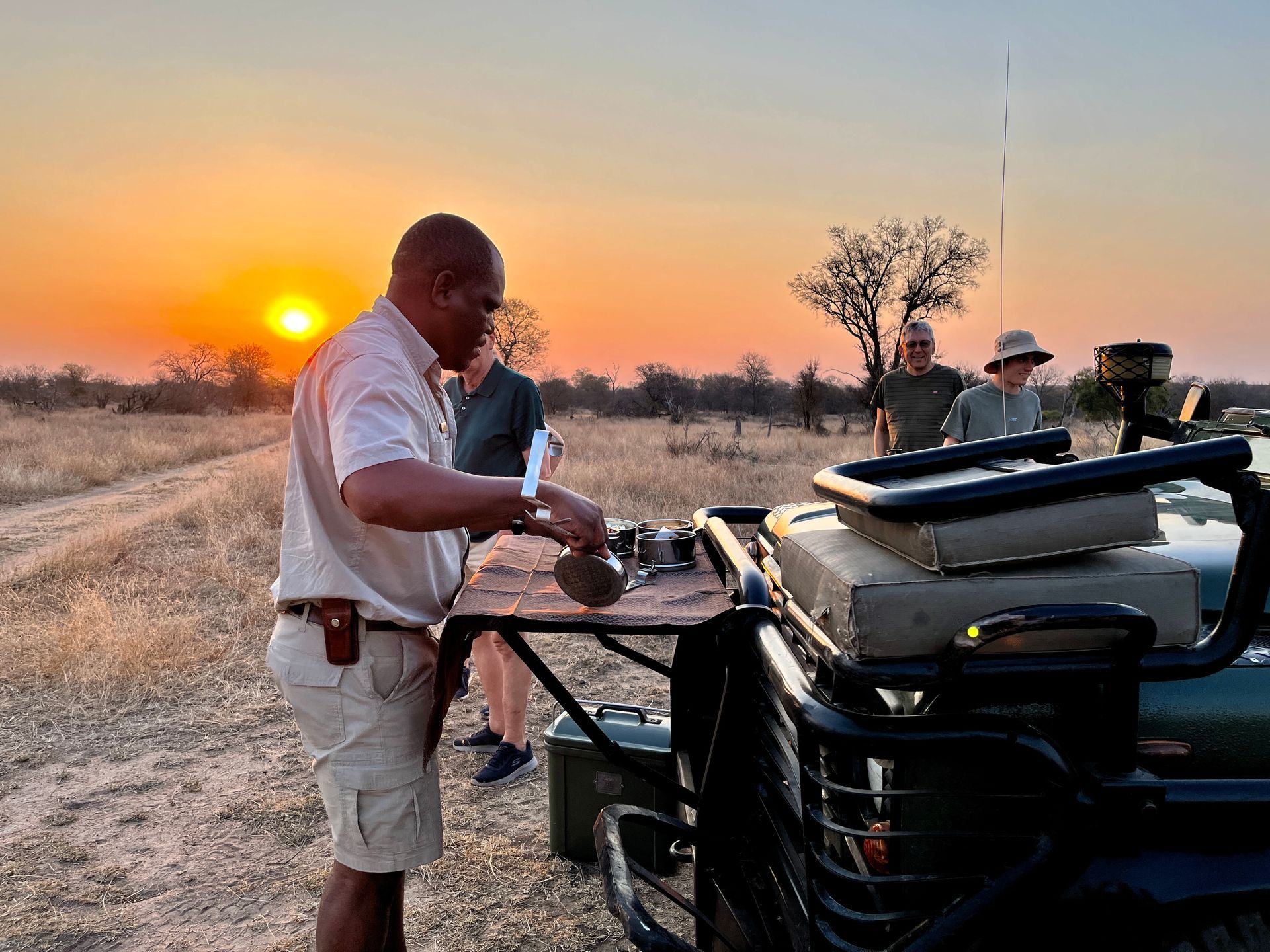
Investing in good safari content requires investing in people who understand safari, who have gotten up way before the morning chorus to pull on 15 layers of warm clothes and jumped on an open safari vehicle when the sun isn't even up in the dead of winter, knowing their face is going to feel like it's being flash frozen for the next hour or so until sunlight warms the surrounding wilderness. You wouldn't book a safari with someone who hasn't been on one so why would you populate your website with words from them?
The tragedy is that this brand approach isn't usually laziness. It's a fundamental misunderstanding of what content is supposed to do.
Content is not filler
Somewhere along the way, the safari industry absorbed the idea that content is what you put on a website to make it look complete... Words to fill the space between the photographs... Copy to satisfy the SEO checklist... Paragraphs that say enough without saying anything that might be wrong...
The result is a relentless sameness that has made it almost impossible for a genuinely exceptional brand to stand out from a merely adequate one. When every lodge, camp and operator promises the same breathtaking experience with the same passionate team in the same spectacular setting, the only differentiator left is price. And competing on price in the premium safari market is a game that nobody wins.
Great content isn't filler. It's the thing that makes a traveller stop scrolling. It's the thing that makes them feel, before they've booked a single flight, that they already understand what makes this particular place unlike anywhere else on earth. It's the thing that does the selling long before the sales team or res manager picks up the phone or answers an email.
Specificity is everything
The differences between beige content and content that works are almost always storytelling and specificity, not better adjectives or longer paragraphs, and certainly not a bigger photography or video budget (though that never hurts!)
The safari industry sells something invisible at the point of purchase. The traveller is buying an experience that doesn't exist yet, in a place they've never been, guided by people they've never met. Storytelling is the bridge across that gap, making the intangible tangible, the unfamiliar familiar, and the distant feel within reach.
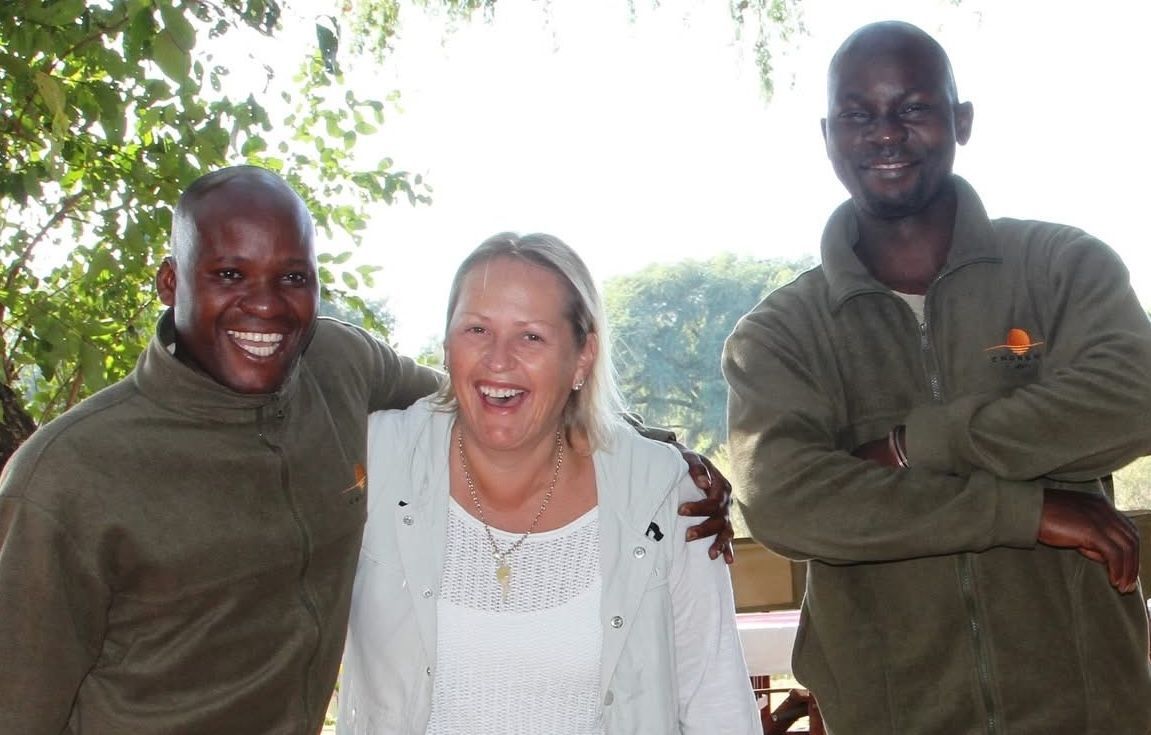
The subject matter is endless... The backstory of the guide who has been tracking lions in a particular concession for 17 years and can read the bush the way most people read a book... The particular bend in a river where hippos congregate at dusk and the light does something extraordinary to the water... The way a chef sources ingredients from a community garden a few kilometres from camp and what that means for the people who tend it... The conservation project that has brought painted wolves back to a reserve where they haven't been seen in a generation...
These are the stories that make a brand. These are the details that a traveller carries home and repeats to everyone they know. These are the specifics that no competitor can replicate, because they belong to this place and this place alone. Generic content says you offer a safari experience. Specific content says you offer this experience, in this place, with these people, and there is nowhere else on earth quite like it.
Only one of those statements is worth reading. Only one of them is worth paying for.
The brand cost of beige
Poor content doesn't just fail to sell. It actively damages brands. When a lodge that has spent 20 years building something genuinely extraordinary describes itself in the same terms as a property that opened 18 months ago and is still finding its feet, it signals to the discerning traveller that it either doesn't know what makes it special, or doesn't believe the traveller is sophisticated enough to appreciate it. Neither is a flattering impression.
When you bury your most compelling stories beneath layers of nothingness, or, worse still, don't tell them at all, you miss the very things that set you apart and make you stand out. It's like a family-run camp with generations of bush knowledge describing its guiding as "expert" and its experience as "authentic" without ever telling you what any of that actually means in practice. Why would you take your brand's greatest assets and make them invisible? Beige? In a world of beige content, beige doesn't just blend in. It erases.
What the industry deserves
The African safari industry is one of the most important conservation and economic forces on the continent. At its best, it protects land that would otherwise be lost, supports communities that depend on the wilderness for their livelihoods, and connects people from across the world to an experience that changes how they understand the planet they live on. It deserves marketing that reflects that significance, that's honest about what the industry is, specific about what each brand offers, and written by people who understand the difference between a landscape that is merely beautiful and one that is alive with a complexity that takes years to begin to understand.
Safari is extraordinary and the content that represents it should be too. The beige has to go.