
Sustainability - safari's Holy Grail
Why we should stop chasing impossible goals and start celebrating exceptional ones
By Sharon Gilbert-Rivett
I've spent 40 years championing sustainability in the African safari industry, and I'm going to say something that might surprise you: 100% sustainability in this sector is a Holy Grail. Impossible to achieve. Here's why I feel this way and what I think we should be pursuing instead...
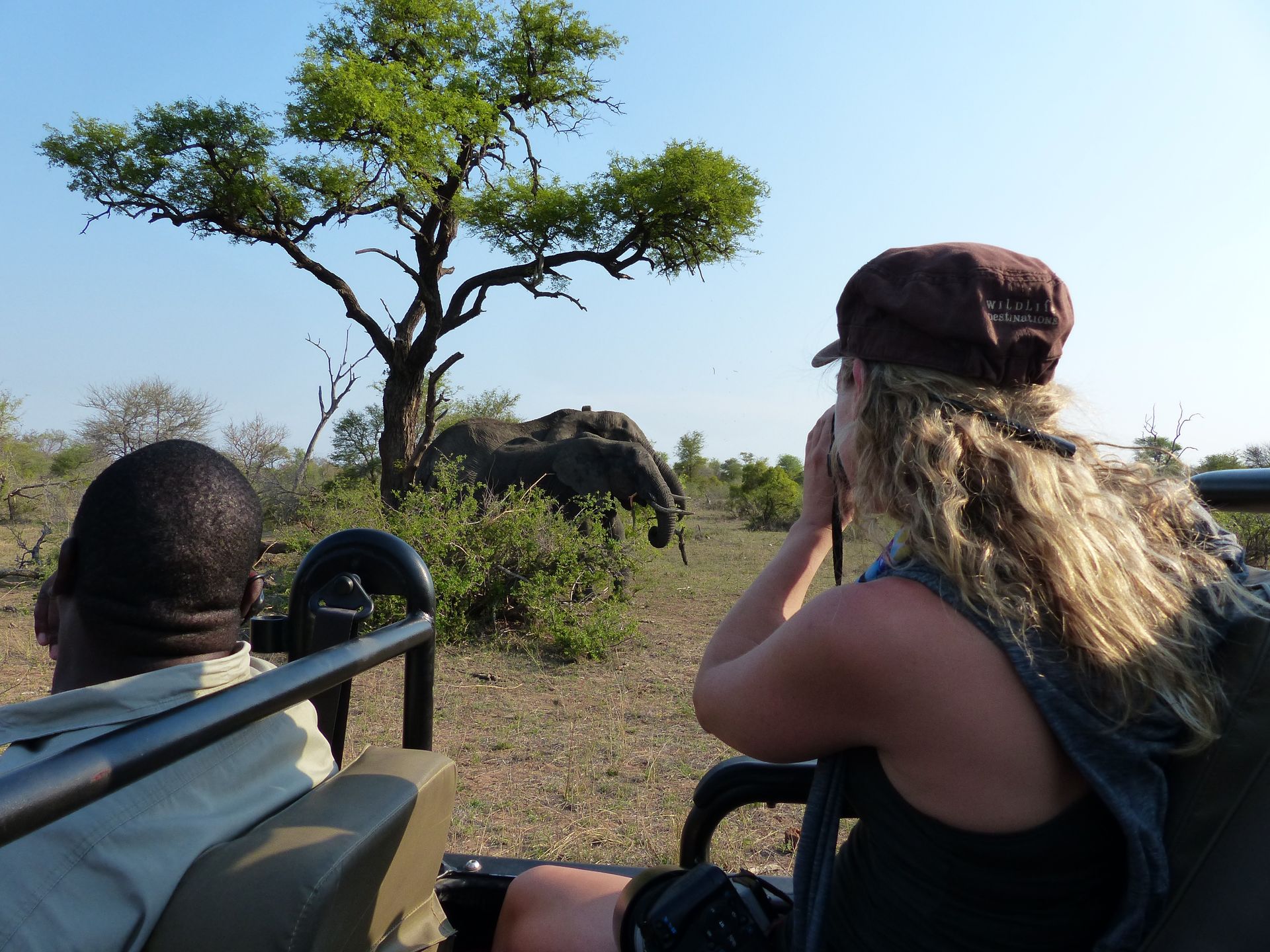
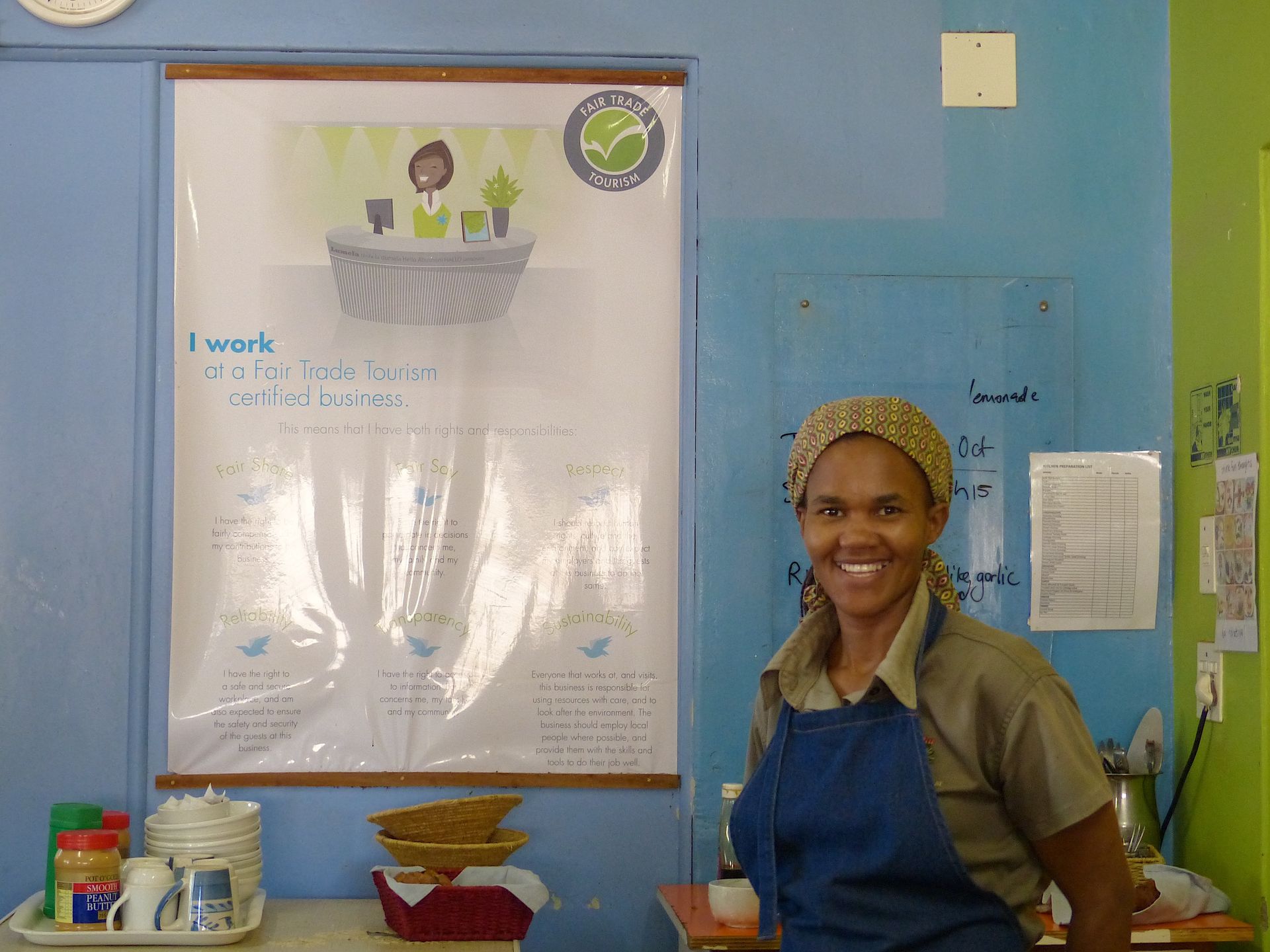
Over the last four decades I have visited more lodges and camps across sub-Saharan Africa than I care to remember. I have written about conservation, championed responsible tourism, won awards for that writing and served as Marketing Manager for Fair Trade Tourism - an organisation I have been involved with for almost as long as it has been in existence. I believe, with every fibre of my being, in the obligation of this industry to protect the wilderness areas and the communities on which its entire business model depends, but I am here to tell you that sustainability in the African safari industry is something of a carrot on an infinitely long stick - tantalising, motivating, but impossible to reach.
There, I said it. However, before you close this tab, hear me out, because this is not an argument against sustainability, it's an argument for honesty and for a more intelligent, more compassionate, and ultimately more effective approach to what sustainability in the safari context actually means and what we should all aspire to.
The inconvenient truth about safari sustainability
The safari industry exists in one of the most logistically challenging environments on earth. Remote, vast and unforgiving, the wilderness areas that make African safari so extraordinary are, by their very nature, places where human infrastructure is minimal and the challenges of daily operation are considerable. Everything your guests need - food, linen, fuel, equipment, toiletries, spare parts - has to get there somehow. Usually by truck, often by air and nearly always at an environmental cost.
Then there are the guests themselves. They fly, long-haul, mostly, from Europe, North America, Asia... all over the world. The carbon footprint of a single safari holiday, honestly accounted for, is significant. This is the foundational paradox of safari tourism: the very act of experiencing wild Africa leaves a mark on it. No certification programme changes that. No offset scheme erases it and any sustainability framework that pretends otherwise is not being straight with you.
What real sustainability looks like in the bush
Here's what I've observed across almost 40 years of watching this industry evolve: the operations that are genuinely, meaningfully sustainable are rarely the ones with the most certificates on the wall. They are the ones that have made sustainability a philosophy rather than a checklist — an ethos that runs through every decision, every relationship, every bit of money spent.
Real sustainability in the safari context begins not with solar panels or composting toilets, but with people. It begins with paying every member of your team a market-related wage. With respecting the cultures and communities that surround your operation and becoming part of them, not separate to them. With creating micro-economies in local villages and encouraging local entrepreneurship rather than importing everything from the city. With training people for careers — not just job positions — and with actively empowering women in a sector that remains, despite progress, stubbornly patriarchal.
It begins, in other words, with the three pillars that have always underpinned genuine sustainable development: environmental responsibility, social equity, and economic sustainability, with all three pursued with integrity as the foundation of the business model itself. This is not the safari equivalent of raw veganism. It does not require hair shirts or the abandonment of comfort but rather something harder and more valuable than either: consistent and unglamourous ethical business practice applied every single day.
The certification paradox
I have enormous respect for the intent behind sustainability certification programmes and it's a respect that has been built from the inside working with Fair Trade Tourism. The frameworks they provide, the standards they set, the conversations they start — these matter. But I have a problem with the way many of them operate in practice, and I think the industry deserves an honest conversation about it.
Most certification criteria are developed with no understanding of the operational realities of running a safari lodge in the middle of nowhere. They are designed by people who understand sustainability frameworks but who have, in many cases, limited personal experience of what it actually means to manage waste in a remote wilderness area where the nearest municipal facility is four hours away. Or to source fresh produce ethically when your nearest town has one small market and an unreliable road. Or to reduce single-use plastic when your supply chain gives you limited alternatives and your guests who are paying significant sums for a luxury experience and have expectations that do not always align with radical austerity.
The criteria, once set, are frequently non-negotiable. Adapt or fail. Which means that genuinely committed operators — people who are doing extraordinary things within the real constraints of their environment — sometimes find themselves unable to achieve certification not because they lack commitment, but because the framework lacks flexibility. Meanwhile, better-resourced operations in more accessible locations tick the boxes and collect the badges. This is not sustainability but rather compliance theatre.
The luxury problem
Nowhere is the contradiction more visible than at the luxury end of the market. I have seen it with my own eyes, across more properties than I care to count: strings of tented suites, each with its own private swimming pool, in regions where water scarcity is a daily reality for local communities. Lodge designs that prioritise the aesthetic of white cotton linen over the practical question of where the water to launder it comes from and what impact the chemicals needed to keep it white have. Facilities-first thinking that asks what the guest expects before it asks what the environment can bear.
I have seen artificial water sources installed to keep keystone wildlife species reliably visible and reliably close, because sightings drive bookings and bookings drive revenue. The logic is understandable but the consequences are not always so with seasonal movement patterns disrupted, behavioural changes accumulated over years and the subtle, slow reshaping of an ecosystem around the commercial need for a spectacular game drive. Take the current discourse over elephant impact on large trees in the Greater Kruger as a case in point.
None of this is done with malice. Most of it is done by people who genuinely love the wilderness they operate in, but the competitive pressure to deliver an exceptional product in a market where the guest paying $2,000 a night has options and opinions can quietly erode the very principles that responsible operators hold most dear. This tension is real. It deserves to be named rather than papered over with sustainability reports and offset calculations.
The goal worth pursuing
So what is the answer? Not perfection. Not the Holy Grail. Not a certificate that declares you sustainable in an industry that, by its nature, cannot be. The answer is exceptional relative performance, pursued with transparency and genuine commitment. It's asking, every day and in every decision: are we doing as much as we honestly, practically can? Are we better than we were last year? Are we honest with our guests, our staff, our communities, and ourselves about where we fall short and why?
Business models need to be built on the three pillars as a genuine operating philosophy rather than a marketing exercise, paying fair wages, respecting culture, investing in community, training for careers and empowering the people, and particularly the women, who make your operation possible.
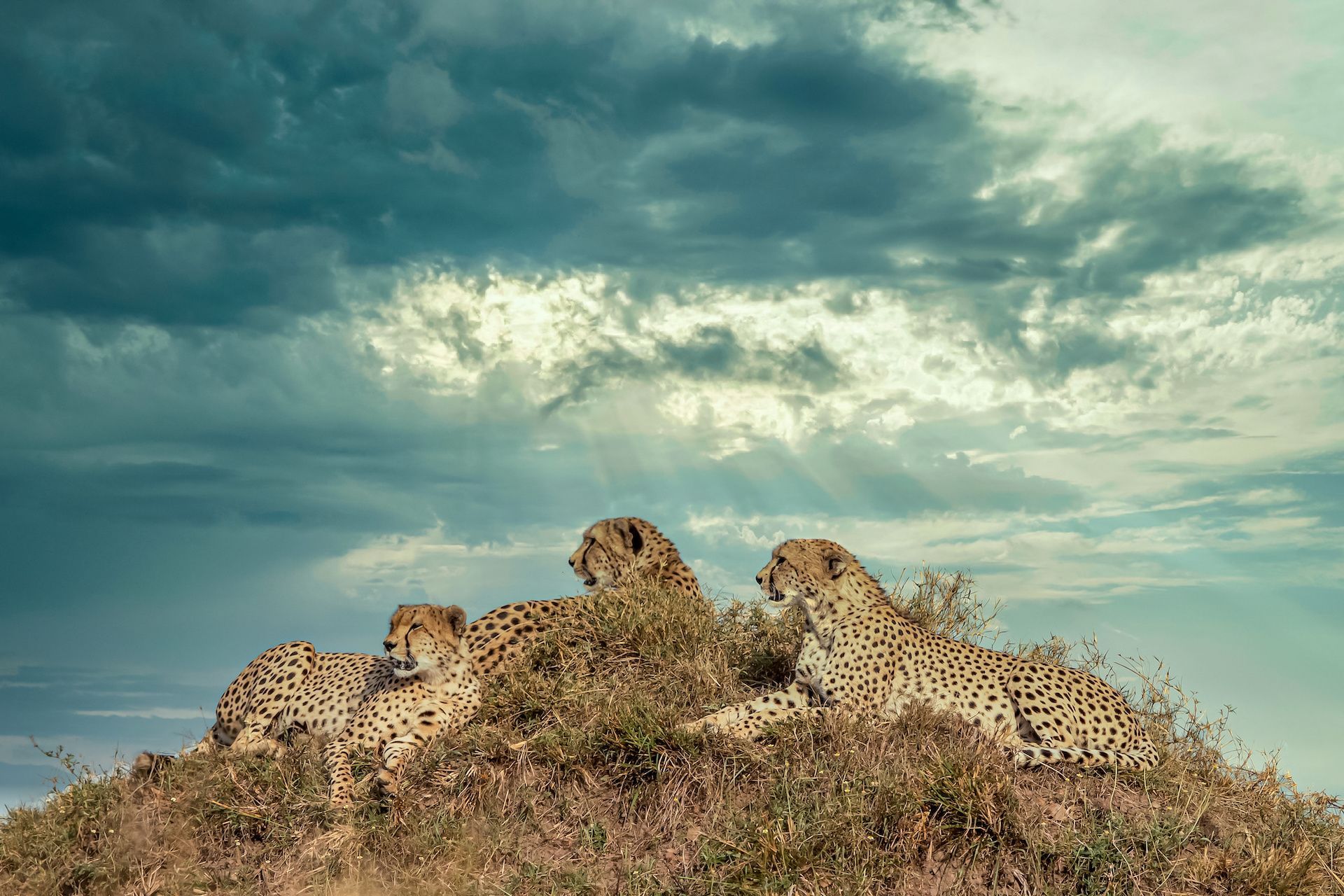
It's about protecting the wilderness areas on which your business depends, not because a certification programme requires it, but because without them, you have nothing. The elephant that walks past your guest's tent at dawn, the leopard that crosses your headlights on a night drive, the billion stars that fill the sky above your fire are not amenities... These things are the entire point and they will outlast us only if we earn that outcome.
You need to be honest about the carbon cost of what you do, and find ways to offset it that are genuine rather than cosmetic and resist the commercial, competitive, and sometimes well-intentioned pressure to perform sustainability rather than practise it.
The supply chain blind spot
Another problem area is the persistent and damaging misconception in safari sustainability discourse that sustainability is primarily, even exclusively, the responsibility of the product owner, be it the lodge, the camp or the operator on the ground whose solar panels and waste management systems are visible, measurable, and certifiable.
This misconception ignores the reality of how the safari industry actually works. Between the traveller who books a safari and the wilderness experience they ultimately have, there is an elaborate and often invisible supply chain. Outbound tour operators in Europe, North America, and beyond who package and sell the product. Inbound operators and destination management companies who handle the logistics on the ground. Travel agents who advise, recommend, and influence which properties get booked and which do not. Each of these businesses makes decisions — every day, at every level — that have profound sustainability implications.
The outbound operator who selects which lodges to feature in their portfolio based purely on commission rates rather than sustainability credentials is making a sustainability decision. The DMC that books the cheapest available ground transport without considering fuel efficiency or local ownership is making a sustainability decision. The travel agent who steers a client toward a property because of a familiarisation trip incentive rather than genuine ethical alignment is making a sustainability decision. The online booking platform that surfaces results by price alone, with no sustainability weighting, is making a sustainability decision.
None of these decisions happen at the lodge. None of them show up in a lodge's certification audit. And yet all of them shape the commercial landscape within which sustainable lodges either thrive or struggle to compete.
True sustainability in the safari industry requires every participant in the value chain to examine their own practices, their own incentives, and their own purchasing decisions with the same rigour that is applied to product owners. It requires outbound operators to ask hard questions about the properties they sell, not just whether they have a certificate, but whether their wages are fair, their community relationships genuine, and their environmental practices honest.
It requires DMCs and inbound operators to prioritise local suppliers, local employment, and local economic participation rather than defaulting to the most convenient or the most profitable option. It requires agents to educate rather than simply sell, to help clients understand that the cheapest safari is rarely the most responsible one, and that the gap between the two is often measured in the livelihoods of the people who make that safari possible.
It requires, in short, the entire industry — from the booking platform in London to the ranger briefing guests at the airstrip in the Okavango — to understand that sustainability is not a property of a place. It is a property of a system. And a system is only as sustainable as its least committed participant.
The fundamental flaw
There is one dimension of sustainability that is rarely addressed with honesty in mainstream discourse because it is uncomfortable, politically sensitive, and cuts to the very heart of the human condition. Sustainability, in every form and on every pillar, is ultimately constrained by a single variable that dwarfs all others in its implications: human population growth.
The United Nations projects that the global human population that currently exceeds 8-billion will reach approximately 10-billion by 2050 and potentially 11-billion or more by the end of this century. Every additional human being requires food, water, shelter, energy, and economic opportunity. Every additional billion people places additional pressure on the finite natural systems — the soils, the water tables, the forests, the fisheries, the atmospheric carbon capacity — that all life on earth depends on.
No amount of solar panels, recycling programmes, carbon offsets, or sustainability certifications changes this arithmetic. We can improve the efficiency with which humanity uses natural resources. We can reduce waste, increase renewable energy, protect biodiversity corridors, and build more equitable economic systems. All of these things matter enormously and are worth pursuing with vigour, but if the number of people making demands on those resources continues to grow without limit, the gains made through sustainability initiatives will be perpetually outpaced by the expanding scale of human need and human consumption.
We are, in the most literal sense, running to stand still. In the African context this tension is acutely felt. The continent has the fastest-growing human population on earth. The same wilderness areas that safari tourism depends on and that sustainability frameworks seek to protect are under increasing pressure from expanding agricultural frontiers, growing settlements, and the entirely legitimate aspirations of communities seeking economic development and improved living standards.
Conservation, in this context, is not simply a matter of protecting nature from industry. It is a matter of navigating the profoundly complex intersection of human need, human rights, and ecological limits.
Until the global community is willing to have an honest, compassionate, and non-coercive conversation about human population, about education, about women's empowerment and reproductive rights, about the demographic transition that historically accompanies development and opportunity, sustainability will remain, at its deepest level, an incomplete project. A set of tools applied to symptoms rather than causes.
This is not a counsel of despair. It is a counsel of honesty. The tools of sustainability — the three pillars, the frameworks, the certifications, the commitments — are necessary and valuable. But they are most valuable when pursued with clear eyes about the scale of the challenge they are part of addressing. Not the whole answer but a vital, urgent, and imperfect part of a much larger one.
The real measure of success
After four decades in this industry, here is what I believe: the most sustainable safari operations I have encountered are not always the most certified ones. They're the ones where the staff have been with the business for 15 years because they are paid fairly, treated with dignity, and given a future. They're the ones where the local community genuinely benefits, not through a token community fund, but through real employment, real training, and real economic participation. They're the ones where the owners are engaged not because it makes good content, but because they cannot imagine being anywhere else. They are, in other words, the ones where sustainability is not a goal to be achieved and certified. It is simply the way things are done.
That is the standard worth pursuing rather than an elusive Holy Grail, it's something rarer and more valuable - a way of doing business in wild Africa that is honest about its limitations, exceptional within its constraints, and genuinely, durably committed to the people, the communities, and the landscapes it depends on.
That, I would argue, is sustainability worth celebrating.